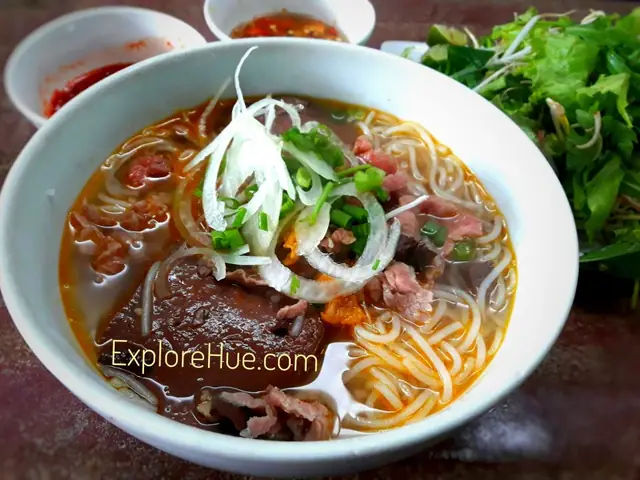
Bún bò Huế, often hailed as one of Vietnam’s most beloved and distinctive noodle soups, is a culinary masterpiece originating from the ancient imperial capital of Huế in central Vietnam. This article serves as a comprehensive introduction to Bún Bò Huế in English, covering its origins, ingredients, flavors, cultural significance, and how to enjoy it.
Có thể bạn quan tâm: Công Ty Du Lịch Ở Hải Phòng: Top 15 Đơn Vị Uy Tín, Chuyên Nghiệp Nhất
Why Bún Bò Huế Stands Out in Vietnamese Cuisine
Bún bò Huế is more than just a meal; it’s a sensory journey that captures the essence of Huế’s royal heritage and central Vietnamese flavors. The dish is renowned for its complex, layered flavor profile, balancing spiciness, saltiness, and a subtle, earthy sweetness. It is a staple of Vietnamese cuisine, found everywhere from humble street stalls to upscale restaurants, both domestically and internationally.
The Imperial Origins of Bún Bò Huế
The story of Bún bò Huế is deeply intertwined with the history of the city of Huế itself. Huế served as the imperial capital of Vietnam during the Nguyễn Dynasty (1802–1945). The royal court was known for its sophisticated and refined cuisine, and Bún bò Huế is believed to have evolved from dishes served in the palace.
Legend has it that the dish was created by a palace chef who sought to create a hearty, flavorful meal for the royal family. Over time, the recipe spread beyond the palace walls, becoming a beloved dish among the common people of Huế. It gained popularity across Vietnam and eventually the world, becoming a symbol of Vietnamese culinary heritage.

Có thể bạn quan tâm: Văn Miếu Tiếng Anh Là Gì? Khám Phá Di Tích Lịch Sử Quốc Gia
Essential Components of an Authentic Bowl
The Heart of the Dish: The Broth
The heart and soul of Bún bò Huế is its broth. Creating the perfect broth is an art that requires time, patience, and attention to detail.
Key broth ingredients:
- Beef bones: The foundation of the broth is typically beef bones, often marrow bones, which are roasted to add depth and color
- Pork knuckle: A whole pork knuckle is a signature ingredient, adding a rich, gelatinous texture and a distinct pork flavor that sets Bún bò Huế apart from other Vietnamese noodle soups
- Lemongrass: Fresh lemongrass is a crucial aromatic, providing a citrusy, slightly floral note
- Shrimp paste: This fermented condiment is a defining element of Bún bò Huế, adding deep umami richness and a characteristic pungent aroma
- Chili oil: A vibrant red chili oil provides the dish’s signature heat and color
- Spices: Star anise, cinnamon, and cloves contribute to the broth’s complex aroma
The Noodles and Proteins
The noodles used in Bún bò Huế are round, thin rice noodles, similar to those used in other Vietnamese dishes like Bún thịt nướng. They are typically served fresh and have a slightly chewy texture.
Protein components:
- Beef: Thinly sliced beef, either raw that cooks in the hot broth or pre-cooked
- Pork knuckle: Boiled until tender and then sliced
- Pork blood cake: Cubes that add a unique texture and deep, iron-rich flavor
- Pork sausage: Thinly sliced Vietnamese pork sausage adds a sweet, savory element
Fresh Accompaniments

Có thể bạn quan tâm: Miền Nam Từ Đâu Đến Đâu? Khám Phá Ranh Giới, Bản Đồ Và Đặc Trưng Vùng Đất Phương Nam
A generous assortment of fresh herbs and vegetables is essential for balancing the rich broth and adding freshness.
Common garnishes:
- Banana blossom: Thinly sliced, providing crisp, slightly bitter contrast
- Bean sprouts: Add crunch and freshness
- Fresh herbs: Thai basil, perilla leaves, and cilantro
- Lime wedges: Brighten the flavors and cut through the richness
- Chili peppers: Fresh bird’s eye chilies for extra heat
What Makes Bún Bò Huế Unique
Bún bò Huế is characterized by its bold, robust flavors. The broth is rich and savory, with a noticeable depth from the shrimp paste and a lingering heat from the chili oil. The combination of beef and pork creates a complex meaty flavor, while the fresh herbs and lime provide a bright, refreshing contrast.
The dish stands out from other Vietnamese noodle soups in several ways:
- The broth is richer, spicier, and more complex than Pho
- It uses round rice noodles instead of flat ones
- The inclusion of shrimp paste gives it a distinctive aroma
- The pork knuckle is a defining characteristic
How to Enjoy Bún Bò Huế
Eating Bún bò Huế is an interactive experience. The dish is typically served with a plate of fresh herbs and vegetables on the side. Diners are encouraged to customize their bowl by adding their preferred garnishes. A common way to eat it is to squeeze a wedge of lime into the broth, add some herbs and vegetables, and then enjoy the soup with chopsticks and a spoon.
Cultural Significance and Global Appeal
Bún bò Huế is more than just a meal; it is a symbol of Huế’s culinary heritage and a source of pride for the Vietnamese people. It represents the city’s history, its royal past, and its unique culinary traditions. The dish is often served at special occasions and celebrations, and it is a popular choice for tourists seeking an authentic taste of Vietnam.
Có thể bạn quan tâm: Game Trốn Thoát Khỏi Căn Phòng: Cẩm Nang Toàn Tập Cho Người Mới Bắt Đầu
In recent years, Bún bò Huế has gained popularity internationally, with restaurants serving it in major cities around the world. Many Vietnamese communities abroad have embraced the dish, making it a familiar and beloved part of their culinary landscape.
Experiencing Bún Bò Huế Around the World
Bún bò Huế is widely available throughout Vietnam, from street-side stalls to high-end restaurants. Whether enjoyed at a bustling street stall in Huế or a cozy restaurant in a foreign city, Bún bò Huế is a dish that is sure to leave a lasting impression.
For those interested in cooking, making Bún bò Huế at home can be a rewarding experience. The key is to take your time with the broth, allowing the flavors to develop and meld together. While traditional recipes can be quite complex, the simplified approach focuses on the essential elements that make this dish truly special.
Bún bò Huế offers a unique window into Vietnam’s rich culinary traditions. Its complex flavors, hearty ingredients, and cultural significance make it a must-try for anyone interested in Vietnamese cuisine. This iconic dish continues to captivate food lovers around the world with its bold flavors and royal heritage.
Cập Nhật Lúc Tháng 1 3, 2026 by Hà Thu