Hanoi, the capital of Vietnam, is a city where ancient traditions meet modern energy. With a history spanning over a thousand years, it offers a captivating mix of historical landmarks, cultural treasures, bustling markets, and serene lakes. Whether you’re fascinated by ancient temples, French colonial architecture, or the vibrant street life, Hanoi has something for every traveler. This guide will help you make the most of your three-day visit, ensuring you experience the essence of this dynamic city.
Day 1: Exploring the Heart of Hanoi
Morning: The Old Quarter and Hoan Kiem Lake
Start your first day in Hanoi by immersing yourself in the historic Old Quarter. This area, once home to 36 different guilds, is a maze of narrow streets and ancient shophouses. Begin your exploration at Hoan Kiem Lake, the symbolic heart of the city. According to legend, a giant golden turtle gave a peasant a magical sword to drive out Chinese invaders in the 15th century. The lake’s peaceful atmosphere offers a welcome contrast to the bustling city around it.
Mid-Morning: Ngoc Son Temple and Thap Rua Tower
Có thể bạn quan tâm: Yến Sào Cao Cấp Nha Trang: Hướng Dẫn Chọn Mua, Công Dụng Và Cách Dùng Đúng Chuẩn
From Hoan Kiem Lake, visit the Ngoc Son Temple, located on a small island connected by the iconic red Huc Bridge. The temple is dedicated to Tran Hung Dao, a revered Vietnamese general. Nearby, you’ll find Thap Rua (Turtle Tower), a small tower that adds to the lake’s charm. These sites provide a glimpse into Vietnam’s rich cultural and spiritual heritage.
Late Morning: French Colonial Architecture
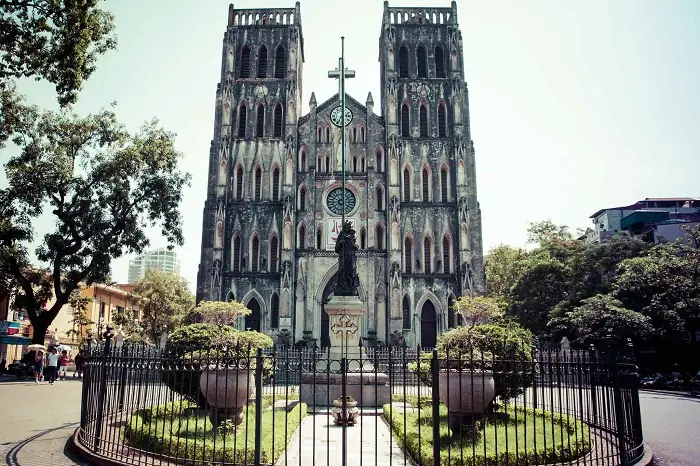
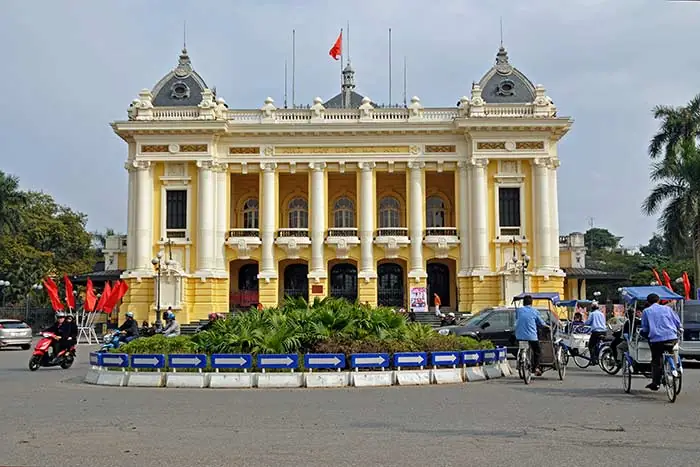
As you wander through the Old Quarter, you’ll encounter numerous examples of French colonial architecture. The Opera House, built in 1911, is a stunning example of Beaux-Arts style. Saint Joseph’s Cathedral, with its neo-Gothic design, is another architectural gem. The surrounding streets are lined with historic buildings that reflect Hanoi’s colonial past.
Có thể bạn quan tâm: Ăn Gì Ở Nha Trang Đường Trần Phú? Top 15 Quán Ngon Nhất Định Phải Thử
Lunch: Local Cuisine
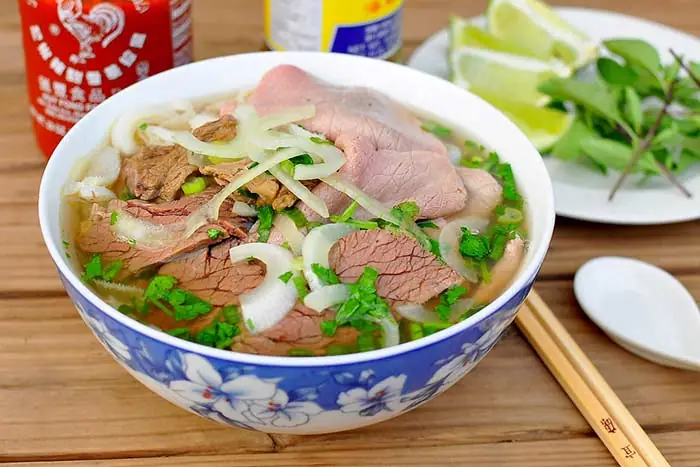
For lunch, try some of Hanoi’s famous dishes. Bun cha, grilled pork with rice noodles and herbs, is a local favorite. Pho, Vietnam’s iconic noodle soup, is another must-try. These dishes offer a taste of the city’s culinary heritage and are widely available in the Old Quarter.
Afternoon: Ba Dinh Square and Ho Chi Minh Mausoleum
Có thể bạn quan tâm: Mua Quà Lưu Niệm Cho Người Nước Ngoài Ở Đâu: Top 15 Món Quà Tinh Hoa Việt Được Yêu Thích Nhất
After lunch, head to Ba Dinh Square, the political heart of Vietnam. This is where Ho Chi Minh declared independence on September 2, 1945. The square is surrounded by important government buildings, including the Ho Chi Minh Mausoleum. The mausoleum houses the embalmed body of Ho Chi Minh and is a site of great national significance. Nearby, you’ll find the One Pillar Pagoda, a unique architectural wonder inspired by a lotus flower.
Late Afternoon: The Presidential Palace and Ho Chi Minh’s House
Continue your exploration with a visit to the Presidential Palace, an elegant French colonial building. Adjacent to it is Ho Chi Minh’s House, a simple stilt house where the former leader lived. This contrast between grandeur and simplicity reflects Ho Chi Minh’s commitment to a modest lifestyle.
Có thể bạn quan tâm: Giới Thiệu Về Du Lịch Cần Thơ: Khám Phá Miền Tây Sông Nước
Evening: Water Puppet Show and Street Food
In the evening, experience the traditional water puppet show at the Thang Long Water Puppet Theatre. This ancient art form from the Red River Delta tells stories through puppetry on a water stage. After the show, explore Hanoi’s vibrant street food scene. The Old Quarter comes alive at night with food stalls offering everything from grilled meats to fresh spring rolls. This is a perfect way to end your first day and experience the city’s culinary diversity.
Day 2: Culture and History
Morning: The Temple of Literature
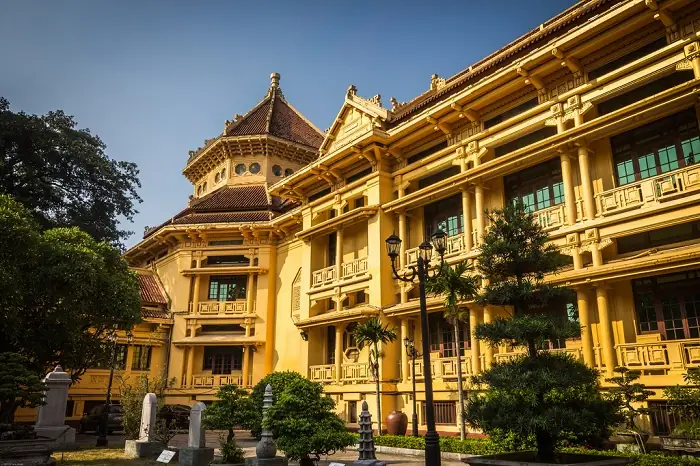
Begin your second day at the Temple of Literature, Vietnam’s first university, founded in 1070. This Confucian temple is dedicated to education and the teachings of Confucius. The complex includes beautiful gardens, ancient stone stelae, and traditional Vietnamese architecture. It’s a serene place that offers insight into Vietnam’s scholarly traditions.
Mid-Morning: Hanoi Museum of Ethnology
Next, visit the Hanoi Museum of Ethnology, which showcases the cultural diversity of Vietnam’s 54 ethnic groups. The museum’s exhibits include traditional clothing, tools, and artifacts that provide a comprehensive understanding of the country’s rich cultural tapestry. The outdoor area features traditional houses from various ethnic communities.
Lunch: Vietnamese Cuisine
For lunch, explore the diverse flavors of Vietnamese cuisine. Try banh mi, a delicious sandwich with French and Vietnamese influences, or com tam, broken rice served with various toppings. These dishes reflect the fusion of cultures that has shaped Vietnamese food.
Afternoon: Museums and Art
In the afternoon, you have several options for cultural exploration:
- Vietnam Women’s Museum: This museum highlights the role of women in Vietnamese society and history.
- Vietnam Fine Arts Museum: Located near Hoan Kiem Lake, it houses a collection of Vietnamese art from ancient times to the present.
- Vietnam History Museum: This museum offers a comprehensive overview of Vietnam’s history, from prehistoric times to the modern era.
- Hoa Lo Prison: Known as the “Hanoi Hilton,” this former prison provides a glimpse into Vietnam’s colonial and wartime history.
Late Afternoon: Tran Quoc Pagoda and West Lake
If you prefer outdoor activities, visit Tran Quoc Pagoda, one of Hanoi’s oldest and most beautiful pagodas, located on the shore of West Lake. The pagoda’s serene setting and stunning architecture make it a peaceful retreat. You can also rent a bike and cycle around West Lake, enjoying the scenic views and fresh air.
Evening: Traditional Performing Arts
For your evening entertainment, consider attending a performance at the Hanoi Opera House. The building itself is a masterpiece of French architecture, and the performances range from opera to traditional Vietnamese music. Alternatively, you can enjoy a traditional Ca Tru performance, a form of chamber music that has been recognized by UNESCO as an Intangible Cultural Heritage.
Day 3: Craft Villages and Local Life
Morning: Bat Trang Pottery Village
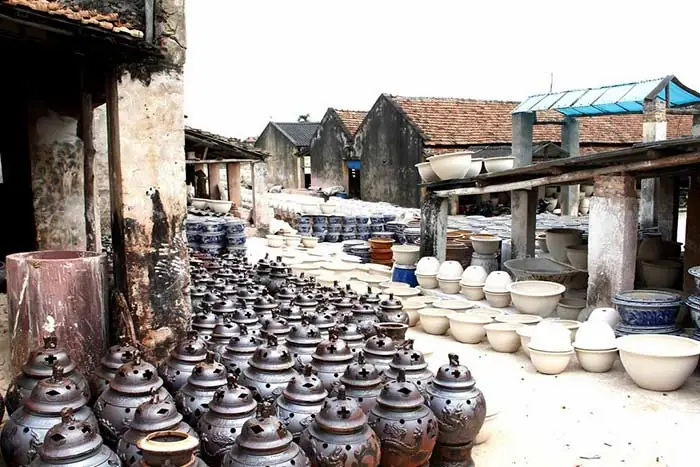
On your third day, venture outside the city to explore the traditional craft villages that surround Hanoi. Start with Bat Trang, a village renowned for its ceramics. Here, you can watch artisans at work, create your own pottery, and browse a wide selection of handmade ceramics. The village’s history dates back over 500 years, and its craftsmanship is still highly valued today.
Mid-Morning: Van Phuc Silk Village
Next, visit Van Phuc Village, famous for its silk production. The village has been producing high-quality silk for centuries, and you can see the entire process from silk worm cultivation to weaving. The intricate patterns and vibrant colors of the silk products are a testament to the skill of the local artisans.
Lunch: Rural Vietnamese Cuisine
Enjoy a traditional Vietnamese lunch in one of the villages. This is an opportunity to taste authentic rural cuisine, often made with fresh, locally sourced ingredients. The meals are typically served family-style, allowing you to experience the warmth and hospitality of Vietnamese culture.
Afternoon: Chuyen My Mother-of-Pearl Inlay Village
In the afternoon, visit Chuyen My Village, known for its exquisite mother-of-pearl inlay work. The artisans here create beautiful decorative items and furniture adorned with intricate mother-of-pearl designs. Watching the meticulous process of inlaying mother-of-pearl is a fascinating experience.
Late Afternoon: Return to Hanoi and Shopping
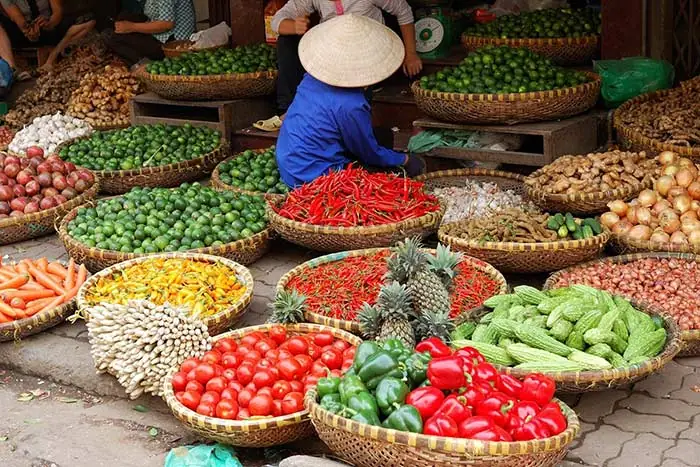
Return to Hanoi in the late afternoon for some shopping. The Old Quarter is home to numerous shops selling traditional crafts, souvenirs, and local products. Dong Xuan Market is a great place to find a variety of goods, from clothing to handicrafts. It’s also an opportunity to practice your bargaining skills, a common practice in Vietnamese markets.
Evening: Farewell Dinner
For your final evening in Hanoi, enjoy a farewell dinner at one of the city’s renowned restaurants. Consider trying cha ca, a specialty dish of grilled fish with turmeric and dill, often cooked at your table. This communal dining experience is both delicious and memorable.
Conclusion
Hanoi is a city that offers a rich tapestry of experiences, from its ancient history and cultural heritage to its vibrant street life and culinary delights. With three days, you can explore the city’s highlights and gain a deeper appreciation for its unique character. Whether you’re wandering through historic sites, sampling delicious street food, or discovering traditional crafts, Hanoi promises an unforgettable journey. For more travel inspiration and tips, visit buulong.com.vn for comprehensive guides and insights into Vietnam’s most captivating destinations.
Cập Nhật Lúc Tháng 12 22, 2025 by Hà Thu